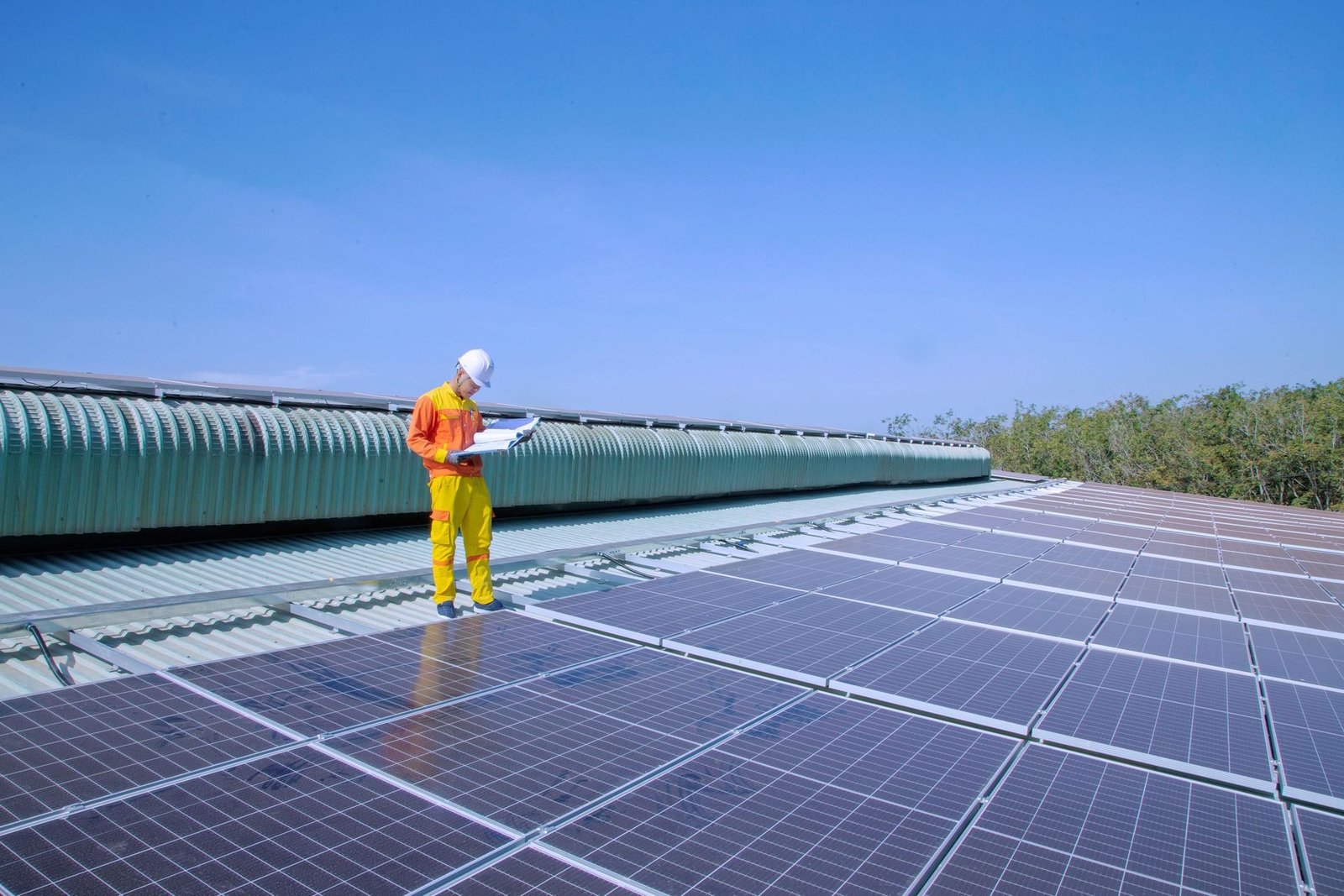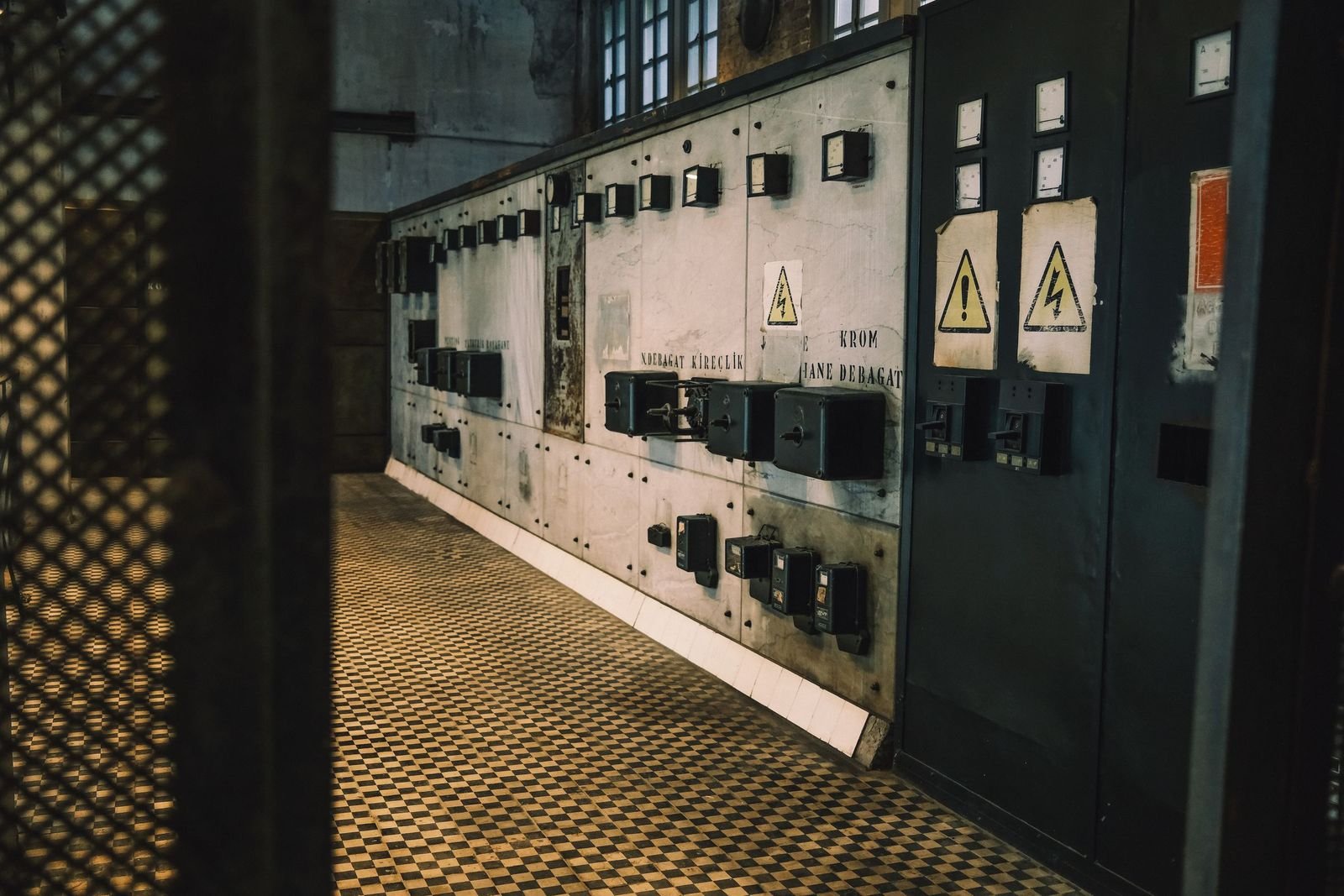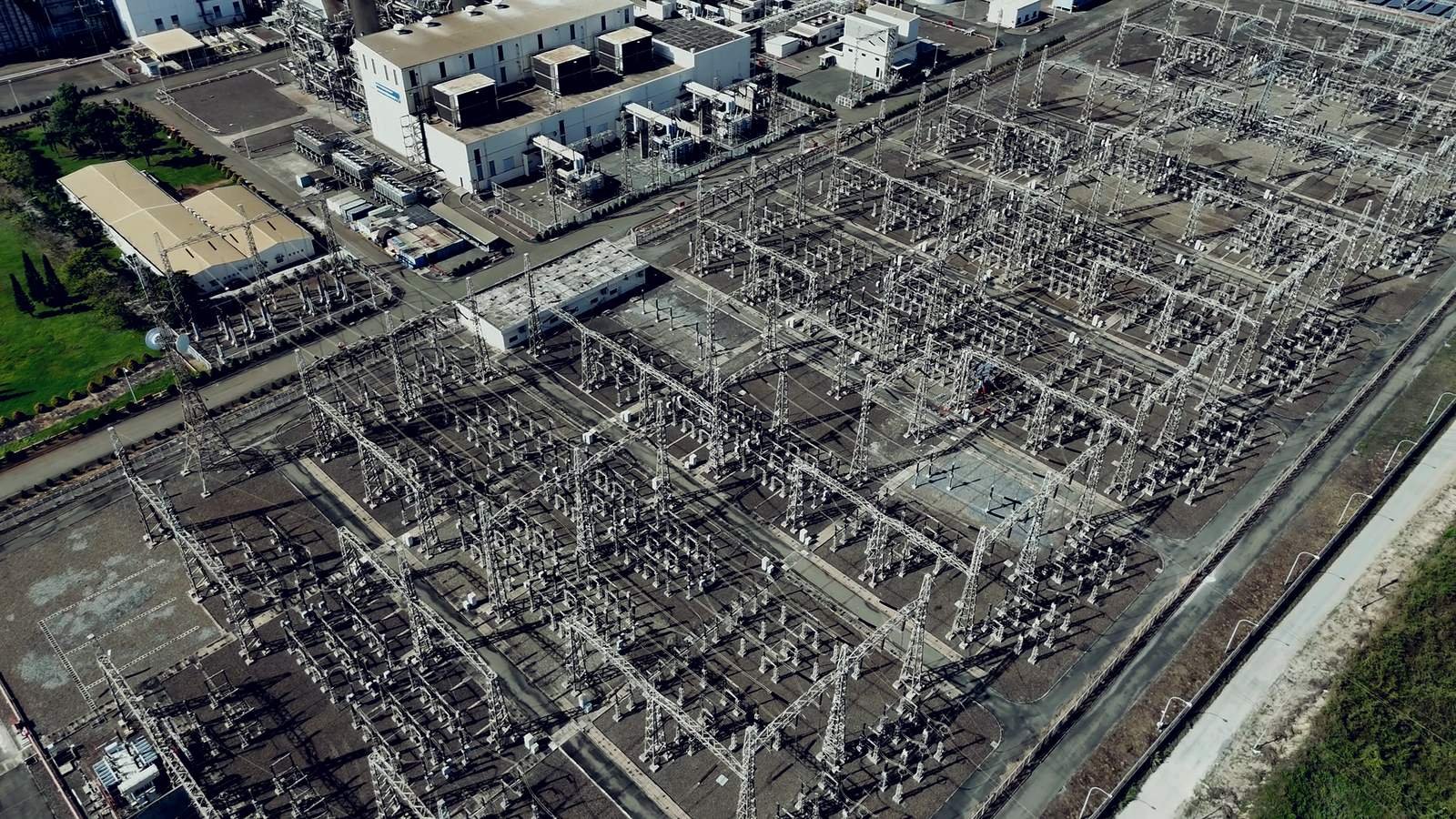

Energy audits · Compliance assurance · SSEG commissioning · Cape Town

Independent energy audits and electrical assurance for building owners.

We find the electricity your building wastes, check that what contractors deliver is what you paid for, and sign off your solar for the grid. A registered engineer on your side of the table.

Energy loss

You are paying for power that does no work.

Compliance assurance

Evidence, not a contractor's word for it.

Efficiency first

Fix the waste first. Then size the solar.

Evidence before every decision.

Twenty-six years of power systems, automation and critical infrastructure, working for the owner only.

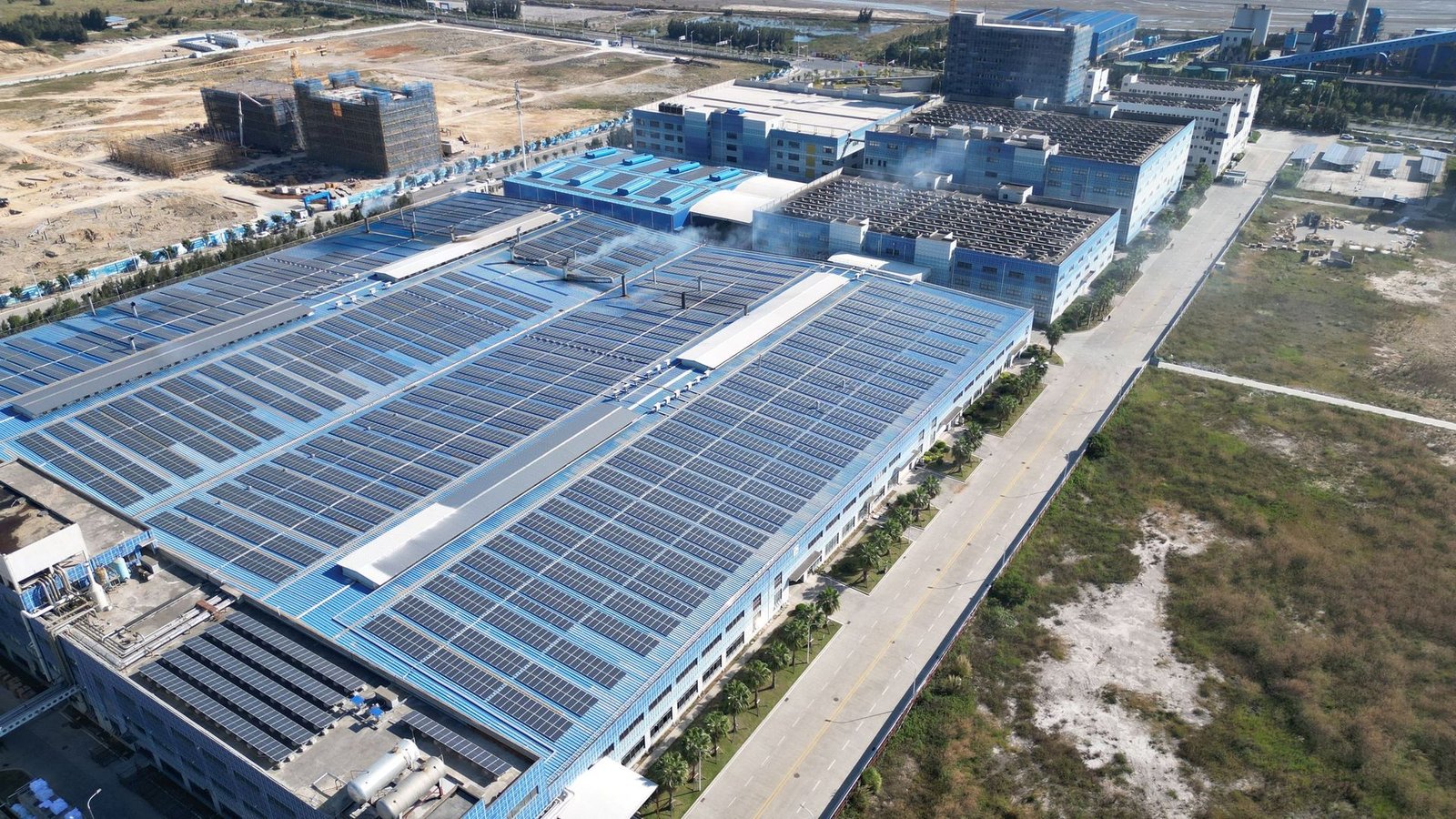
When you buy equipment, appoint a contractor or install solar, the most confident voice in the room usually belongs to the party being paid.

We are the other voice.

Energy Loss Audit

Your biggest controllable cost is leaking, and nobody is measuring it.

Electricity is the largest operating cost most commercial and industrial owners don't actively manage. The US EPA estimates that around 30% of the energy used in commercial buildings is wasted. In South Africa that waste gets dearer every year: NERSA approved a further 9.01% increase in what Eskom charges municipalities from July 2026, and it flows straight through to municipal tariffs.

Roughly 0.94 kg of CO₂ for every kWh drawn from the national grid. Wasted electricity is not only a cost line. It is most of your carbon footprint.

00:0006:0012:0018:0024:00kW
Before: What the building draws today After: The same work, without the waste Avoidable energy, paid for every day A start-up peak that sets the month's demand charge Illustrative weekday profile. Your audit measures your own.

Where the money leaks

  • After-hours base load. Air conditioning, lighting, compressors and process equipment running when nobody is there.
  • Maximum demand peaks. One badly timed start-up can set your demand charge for the whole month.
  • Poor power factor. Reactive energy and kVA charges for current that does no useful work.
  • HVAC and refrigeration. Wrong setpoints, poor scheduling, and chillers or units fighting each other.
  • Compressed air. Leaks and over-pressure, often the most expensive utility on an industrial site.
  • Motors, pumps and fans. Oversized and running flat out with no variable speed drive.
  • The network itself. Overloaded cables, ageing transformers, harmonics and phase imbalance turning power into heat.
  • Lighting and controls. Old fittings and no occupancy or daylight control.

How an Energy Loss Audit works

  1. Bills and tariff review. Twelve to twenty-four months of accounts, your tariff, time-of-use periods, notified maximum demand and reactive energy charges.
  2. Measure. Power quality logging at the main incomer and key distribution boards, usually over one to two weeks, to build your real load profile.
  3. Load flow and loss analysis. Where the energy goes, board by board, and where the electrical network itself loses it.
  4. Feasibility study. Every saving measure costed, with expected kWh and kVA savings, payback period and carbon reduction.
  5. Proposal and verification plan. A ranked plan you can take to the board, and a measurement method so savings are proven, not promised.

Lower bills

Less energy, smaller demand charges, no reactive penalties.

Smaller solar

A smaller PV system and battery do the same job once the waste is gone.

Lower carbon

A measured baseline for ESG reporting, tenants, lenders and export customers.

Fewer failures

Load data shows struggling equipment before it trips.

More resilience

Less load to carry on generators, UPS and batteries when the grid goes down.

Our recommendations are technology-neutral. We do not supply equipment, install systems or accept supplier commissions.

Efficiency first. Then solar.

Most solar systems are sized on today's bill, waste included. You end up paying for panels, inverters and batteries to generate power that is then thrown away.

Solar sized on today's bill

Bigger system, longer payback, and the waste stays.

Solar sized after the audit

Every panel works on load that matters, and the payback starts sooner.

When the system is installed, we commission it and sign it off for the grid. SSEG commissioning

Electrical compliance and project assurance

Owner-side assurance, at one stage or across the whole project.

Every appointment starts in writing: The scope, the deliverables, the review criteria, what we assume and what we exclude. You know what we will look at before we look at it. More on compliance assurance

  1. Before capital is committed

    Requirements and compliance baseline

    A vague need becomes an unclear tender, and an unclear tender becomes an uncontrolled project. We pin down what the project must achieve: The operating need, critical interfaces, existing records, constraints, applicable standards and regulatory-facing requirements, who is responsible for what, and how acceptance will be judged.

    You receive an owner's requirements brief, a requirements-and-evidence matrix, a technical-risk register and the decisions to settle before procurement or approval.

  2. Before a contractor is appointed

    Tender, design and contractor-scope review

    We read the technical scope the way the claim will be read later: What is included, what is excluded, what is assumed, and what has not been demonstrated. We test it against your requirements, the electrical and automation interfaces, documentation, testing, operating constraints and acceptance conditions.

    You receive a clear list of gaps and the conditions to resolve before you appoint or approve a variation. The designer of record stays the designer of record.

  3. While the work is delivered

    Delivery, commissioning and evidence assurance

    Where our appointment includes it, we review or witness site observations, test results, commissioning records, control and protection evidence, quality records and close-out packs. We track non-conformities, missing evidence and open risks, and flag the decisions that need you.

    You receive a live register of what is proven, what is missing and who owns each close-out. The installation stays the contractor's responsibility.

  4. Before you accept

    Handover and acceptance assurance

    Operations will live with this system for years. Before you sign for it, we check the acceptance criteria against the test records, defect status, as-built drawings, manuals, training evidence and certificates supplied.

    Accept Accept subject to defined conditions Defer until resolved

    The decision stays yours. Statutory and contractual responsibilities stay with the parties who hold them.

SSEG commissioning

Your solar system is installed. Now it needs to be allowed onto the grid.

A grid-tied PV or battery system has to be commissioned and signed off before the utility grants permission to connect. Eskom and most municipalities ask for the commissioning tests to be signed by an ECSA-registered professional. We do that work for homes, businesses and industrial sites, and our Pr. Tech. Eng. sign-off is accepted by the City of Cape Town.

Homeowners

Your installer has finished and the inverter is running, but the municipality has not approved the connection yet. We check the paperwork, test the system on site, and sign the commissioning report so your application can go in complete the first time.

Document check
Single-line diagram, inverter approval and NRS 097-2-1 certificate, protection settings, export or non-export configuration, and the application pack.
On-site tests
Loss-of-mains (anti-islanding) behaviour, export limiting where required, isolation and protection, earthing and bonding, DC isolation, backup changeover and labelling.
Professional sign-off
The commissioning report completed and signed as a registered Pr. Tech. Eng., ready to submit with your installer's Certificate of Compliance.
A straight answer if it isn't ready
A plain list of what must be fixed before a re-test. We have no stake in who fixes it.

The installer and the registered electrical contractor stay responsible for the installation and the CoC. The utility grants permission to connect.

Open medium-voltage switchgear panel with copper busbars

Where the interfaces carry real risk.

We take on work only where we hold the education, training and experience to judge it. When a project needs a discipline we don't cover, we say so and recommend a qualified specialist.

  • Energy audits, load profiling and power quality
  • Electrical distribution, protection and critical power
  • Generators, UPS, changeover, synchronisation and resilience
  • Industrial automation, PLC, HMI and SCADA upgrades
  • Control interfaces, alarms, interlocks and operating logic
  • Solar PV, battery storage and embedded generation
  • Energy, refrigeration, pumping and controls infrastructure
  • Commissioning, testing and operational readiness of critical systems

The engineer behind Bynergex

Bramwill Bruinders, Pr. Tech. Eng.

Bynergex is led by Bramwill Bruinders, an ECSA-registered Professional Engineering Technologist. He started as an electronic technician re-commissioning automated payment machines, and worked up through automotive manufacturing, dairy processing and tyre production to Head of Electrical Engineering, leading 58 people with full P&L accountability. Today he also leads technical service delivery for critical telecommunications facilities.

That path taught him what goes wrong after handover, and how often it was visible before. BTech Electrical Engineering, MBA, PhD in Business Administration in progress.

26 years accountable for critical systems
R60M+ capital projects delivered at one employer
0.91→0.99 site power factor corrected, penalties eliminated
58 people led as Head of Electrical Engineering
81% overall equipment effectiveness achieved

Our value depends on having no stake in the outcome.

What we never do on an assurance mandate

  • Supply equipment
  • Install systems
  • Take undisclosed supplier commissions
  • Call an advisory review a statutory approval, a CoC or a guarantee of legal compliance

What we always do

  • Work from a written appointment with stated limitations
  • Disclose relevant interests before work starts
  • Keep controlled records of everything reviewed, observed and witnessed
  • Tie every finding to the evidence behind it

Responsibilities stay where they belong: With the designer, the contractor, the registered electrical contractor, the person issuing the CoC, the approved inspection authority, the distributor, the municipality and the regulator. We help you get ready for those processes. We don't stand in for them.

Built for the people who carry the outcome.

Commercial and industrial building owners, and the engineering, operations or facilities manager who answers for the electricity bill and the project result but doesn't have the hours, the specialist depth or the independence to challenge every submission, test record and variation.

Office and retail property · manufacturing and process plants · warehouses, logistics and cold stores · hotels and hospitality · data-intensive and critical sites · packhouses, dairies, producer cellars and irrigation-linked farms

The moments to call

  • When the electricity bill keeps climbing and nobody can say why
  • Before you size or buy a solar or battery system
  • Before you appoint a contractor or approve a major variation
  • During commissioning of a critical system
  • Before you accept an installation operations will maintain for years

What you walk away knowing.

The job is done when you no longer depend on a contractor's or supplier's assurance alone, and you have a documented technical basis to approve, challenge, defer or invest.

Questions we're often asked

What is an energy loss audit?

An energy audit focused on finding where a commercial or industrial building loses electricity and money. We review your bills and tariff, log the load at the incomer and main boards, run a load flow and loss analysis, and hand you a costed, ranked plan of savings measures with payback and carbon impact.

Should I do an energy audit before installing solar?

Yes. Every kWh of waste you remove is a kWh you no longer need to generate, store or back up. Cutting base load and demand peaks first usually means a smaller PV system and battery for the same result, and a faster payback.

Who can sign off an SSEG commissioning report in Cape Town?

The City of Cape Town asks for the SSEG commissioning report to be signed by an ECSA-registered professional. Bramwill Bruinders is a registered Professional Engineering Technologist (Pr. Tech. Eng.), and his sign-off is accepted by the City of Cape Town.

What does an independent electrical compliance review cover?

Within a written scope, we review project requirements, contractor documentation, design and test evidence, site observations and handover records against the agreed project criteria. You get the gaps, the residual risks and the close-out actions, with a clear recommendation. It is advisory, not a statutory approval or a Certificate of Compliance.

Do you work outside Cape Town?

Yes. We are based in Cape Town and work across the Western Cape and the rest of South Africa. Site work outside the Western Cape is quoted with travel.

Do you sell or install equipment?

No. Bynergex Consulting is an advisory-only firm. We do not supply equipment, install systems or accept supplier commissions, so our recommendations serve the client.

Facing a decision you can't undo?

Tell us where things stand. If it's a fit, we'll reply with a proposed written scope. If it isn't, we'll say so and, where we can, point you to someone who is.

Prefer to talk first? Call +27 66 252 2655 or email consultant@bynergex.com.

What do you need?

Goes straight to consultant@bynergex.com. We use your details only to reply to you (privacy policy).